Indore Water Contamination Tragedy Claims 11 Lives, Probe Points to Negligence and Delayed Repairs
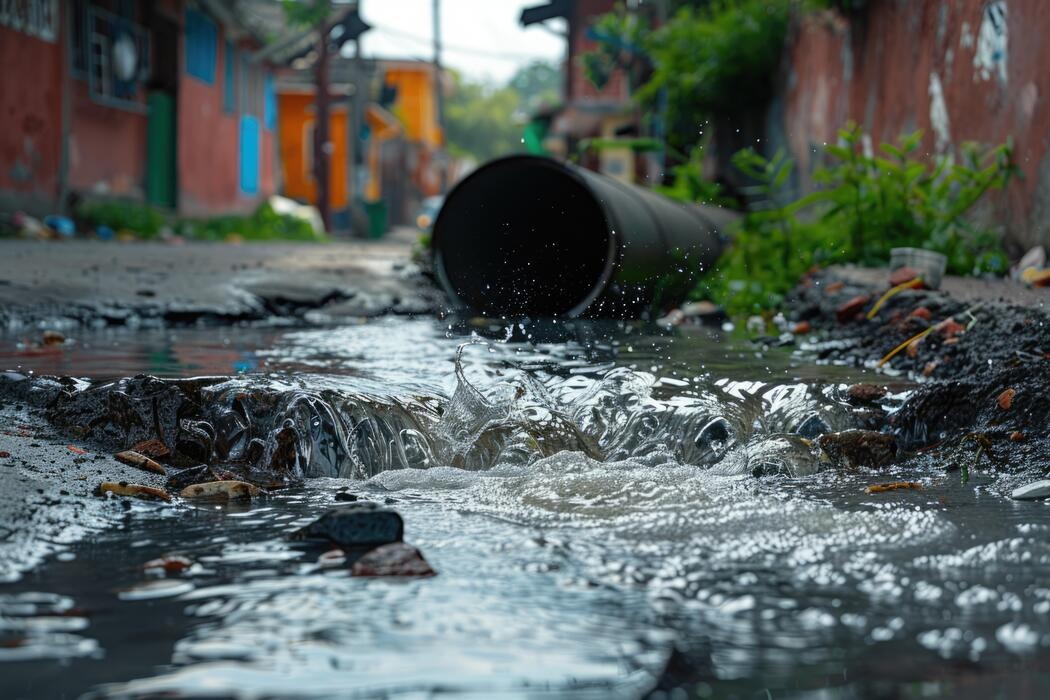
Bhopal | January 2, 2026 What was first described as an unfortunate case of water contamination in Indore has now emerged as a serious instance of alleged negligence and administrative failure. The drinking water crisis in the Bhagirathpura area of the city has claimed at least 11 lives and affected more than 1,400 residents, raising troubling questions about delayed action despite repeated warnings. Indore, often promoted as India’s cleanest city, was shaken when residents of Bhagirathpura began falling ill after consuming tap water. Many complained of foul smell, muddy colour, and taste in the water supplied to their homes. Within days, hospitals reported a surge in patients suffering from severe stomach infections, vomiting, and dehydration. Eleven people later died after consuming the contaminated water. Investigators have traced the source of contamination to a leak in the main drinking water pipeline near a public toilet located beside the Bhagirathpura police outpost. Officials suspect that sewage entered the drinking water line through this damaged section, leading to the widespread illness. Health department tests have since confirmed that the water consumed by residents was contaminated. Chief Minister Dr Mohan Yadav confirmed on Wednesday that evidence of leakage and contamination had been found. He stated that such negligence would not be tolerated and assured strict action. Urban Administration Minister Kailash Vijayvargiya also acknowledged that sewage mixing with drinking water was the likely cause, pointing specifically to the damaged pipeline near the police outpost. The findings were backed by health officials. Chief Medical and Health Officer Dr Madhav Hasani said that water samples tested at MGM Medical College clearly showed contamination. He confirmed that the deaths and illnesses in Bhagirathpura were directly linked to the consumption of polluted drinking water. Sources within the administration revealed that this tragedy could have been prevented. According to officials, a tender to replace the Bhagirathpura pipeline was floated as early as August 2025 at an estimated cost of ₹2.4 crore. The tender reportedly cited complaints about dirty and foul-smelling water. However, no work was started and no emergency repairs were carried out at the time. Only after residents began dying was the tender hurriedly opened, sources said. A senior water department official, speaking on condition of anonymity, described the situation as abandonment rather than failure, stating that repeated warnings were ignored. The incident has also drawn attention to Indore’s broader water infrastructure plans. Under the AMRUT 2.0 mission, the city received water-related projects worth around ₹1,700 crore during 2023–24. While contracts worth ₹579 crore under Package-1 have been awarded for an intake well, water treatment plant, and pipeline, other major packages remain stalled. Three additional packages, covering gravity mains, trunk lines, distribution networks, and overhead tanks, with a combined value of nearly ₹1,200 crore, are still stuck at the tendering stage. Officials within the Water Resources Department admitted that delays and weak monitoring have led to several points across the city where sewage and drinking water lines intersect, particularly in older localities like Bhagirathpura. Residents say their complaints went unheard. Preeti Sharma, a local resident, said she repeatedly informed the local councillor about foul-smelling water but received no response. Another resident, Omprakash, showed samples of muddy tap water from his home and alleged that authorities were more focused on contract disputes than public safety. The tragedy has now reached the national level. The National Human Rights Commission has taken suo motu cognisance of media reports and issued a notice to the Madhya Pradesh Chief Secretary. The commission has sought a detailed report within two weeks, stating that if the reports are true, the incident amounts to a serious violation of human rights. A three-member probe committee has been formed, and the investigation has been handed over to the Additional Chief Secretary. Some lower-level officials have been suspended, but key questions remain unanswered. The administration has yet to explain why the tender was not acted upon earlier and why repairs were delayed until lives were lost. As families mourn their loved ones, the Indore water tragedy stands as a grim reminder of the cost of delayed action and ignored warnings. Indore Water Contamination Tragedy Claims 11 Lives, Probe Points to Negligence and Delayed Repairs What was once called a “clean city” is now facing painful questions. In Indore’s Bhagirathpura area, contaminated drinking water has taken 11 lives and affected over 1,400 people. What makes this tragedy more heartbreaking is that it could have been prevented. Residents began complaining weeks ago about foul-smelling and dirty tap water. Despite repeated warnings, no immediate action was taken. Investigations later found that a leak in the main drinking water pipeline near a public toilet beside the Bhagirathpura police outpost allowed sewage to mix with drinking water. This polluted supply led to severe illness, hospitalisation, and deaths. Health department reports confirmed that water samples tested positive for contamination. Chief Minister Dr Mohan Yadav acknowledged that leakage caused the crisis and warned that negligence would not be tolerated. Urban Administration Minister Kailash Vijayvargiya also stated that sewage mixing into the water line was the main reason behind the outbreak. Sources revealed that a tender to replace the damaged pipeline was floated as early as August 2025, following complaints from locals. However, no repair work was started. Emergency measures were ignored. Only after people began dying was the tender rushed through. Residents say their voices were unheard, while officials argue over delays and contracts. Under the AMRUT 2.0 scheme, Indore received major funding for water projects, but several key works are still stuck at the tender stage. Officials admit that poor monitoring and delays have caused multiple sewage and drinking water intersections, especially in older areas like Bhagirathpura. The National Human Rights Commission has taken suo motu notice of the incident and has asked the Madhya Pradesh government for a detailed report. A probe committee has been formed, and some officials have been suspended, but families are still waiting for answers. This tragedy is not just about contamination. It is about ignored complaints, delayed decisions, and lives lost that never had to be.