Low Response to UP Power Theft Settlement Scheme as Only 12% Consumers Opt In Despite ₹6,367 Crore in Outstanding Dues
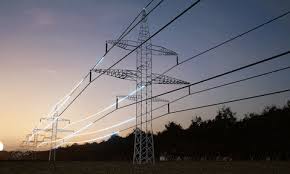
Lucknow | January 6, 2026 Uttar Pradesh’s one-time settlement (OTS) scheme aimed at resolving long-pending power theft cases has seen a weak response, with only about 12% of eligible consumers enrolling so far, even as outstanding dues linked to electricity pilferage have crossed ₹6,367 crore. The slow uptake has raised concerns within the state’s power sector about enforcement, revenue recovery, and the effectiveness of incentive-based compliance measures. The scheme, officially named Bijli Bill Rahat Yojana, was introduced to encourage consumers booked for alleged power theft to settle their cases without going to court. It allows them to pay assessed electricity dues while receiving waivers on penalties and compounding charges. The objective was to reduce litigation, clear old cases, and improve cash flow for power distribution companies, or discoms. According to official data available as of January 1, 2026, around 6.26 lakh power theft cases across the state are eligible for settlement under the scheme. These cases involve assessed electricity dues amounting to ₹6,367.23 crore, along with compounding charges of ₹560.80 crore, spread across five discoms operating in Uttar Pradesh. Despite these large numbers and the financial relief offered, only 75,277 consumers have registered under the scheme so far. This limited participation translates into an enrolment rate of just 12%, indicating that a majority of consumers accused of power theft have chosen not to take advantage of the settlement window. Power officials say this gap highlights ongoing challenges in converting enforcement actions into actual revenue recovery. So far, the discoms have managed to collect ₹188.38 crore through the scheme. Of this amount, ₹149.63 crore has come from assessed electricity dues, while ₹38.75 crore has been collected as compounding charges. On January 3 alone, collections under the scheme stood at ₹4.57 crore, reflecting steady but modest daily inflows. The scheme has helped resolve 51,557 old power theft cases completely. To encourage voluntary compliance, utilities have waived penalties worth ₹108.35 crore for consumers who chose to settle their dues. Officials say this incentive was designed to make the scheme attractive, especially for those facing long-running disputes and legal uncertainty. Among the state’s power distribution companies, Dakshinanchal Vidyut Vitran Nigam Limited (DVVNL) has recorded the highest number of registrations, with 24,773 consumers enrolling under the scheme. Paschimanchal Vidyut Vitran Nigam Limited (PVVNL) follows closely with 24,033 registrations. However, when measured in percentage terms, Purvanchal Vidyut Vitran Nigam Limited (PUVNL) leads with a participation rate of 15.3%. Kanpur Electricity Supply Company (KESCO) has reported the weakest response, with only 8% of eligible consumers signing up. UP Power Corporation Limited (UPPCL) has acknowledged the challenges. Prashant Vema, Director (Commercial) at UPPCL, said the corporation would examine the reasons behind the low enrolment among consumers booked for power theft. He added that, for now, the focus remains on recovering regular electricity arrears, while steps may be taken to improve the scheme’s reach and impact. Senior officials in the state energy department believe the issue runs deeper than awareness alone. According to them, the low response could point to weak deterrence against power theft or suggest that a large section of consumers continues to operate outside the formal billing system. This, they say, undermines both enforcement efforts and revenue generation. While the settlement scheme has cleared tens of thousands of old cases, the overall response remains far below expectations. As the scheme continues, authorities face the challenge of convincing more consumers to come forward, settle their dues, and bring themselves into the formal power system, a step seen as crucial for improving the financial health of Uttar Pradesh’s power sector. Low Response to UP Power Theft Settlement Scheme as Only 12% Consumers Opt In Despite ₹6,367 Crore in Outstanding Dues Uttar Pradesh’s one-time settlement (OTS) scheme for power theft cases is struggling to gain momentum, with only 12% of eligible consumers enrolling so far. The scheme, known as Bijli Bill Rahat Yojana, was launched to help people settle power theft cases by paying assessed electricity dues while getting relief from penalties and compounding charges. The aim was to reduce court cases and recover long-pending revenue. As of January 1, 2026, around 6.26 lakh power theft cases across the state were eligible under the scheme. These cases involve assessed dues of ₹6,367.23 crore and additional compounding charges of ₹560.80 crore across five power discoms. However, only about 75,000 consumers have registered, showing a limited response despite the financial benefits. So far, power utilities have collected ₹188.38 crore through the scheme. This includes ₹149.63 crore in assessment dues and ₹38.75 crore as compounding charges. More than 51,500 old cases have been fully settled, with penalties worth over ₹108 crore waived to encourage voluntary compliance. Among discoms, Dakshinanchal and Paschimanchal have the highest registrations, while Purvanchal leads in percentage terms. Kanpur discom has reported the lowest participation. Power officials say the low turnout points to deeper issues like weak deterrence and consumers staying outside the formal billing system. Authorities are now reviewing ways to improve participation and revenue recovery.