Goa Moves to Decriminalise Minor Violations, Tables Jan Vishwas Bill in Assembly
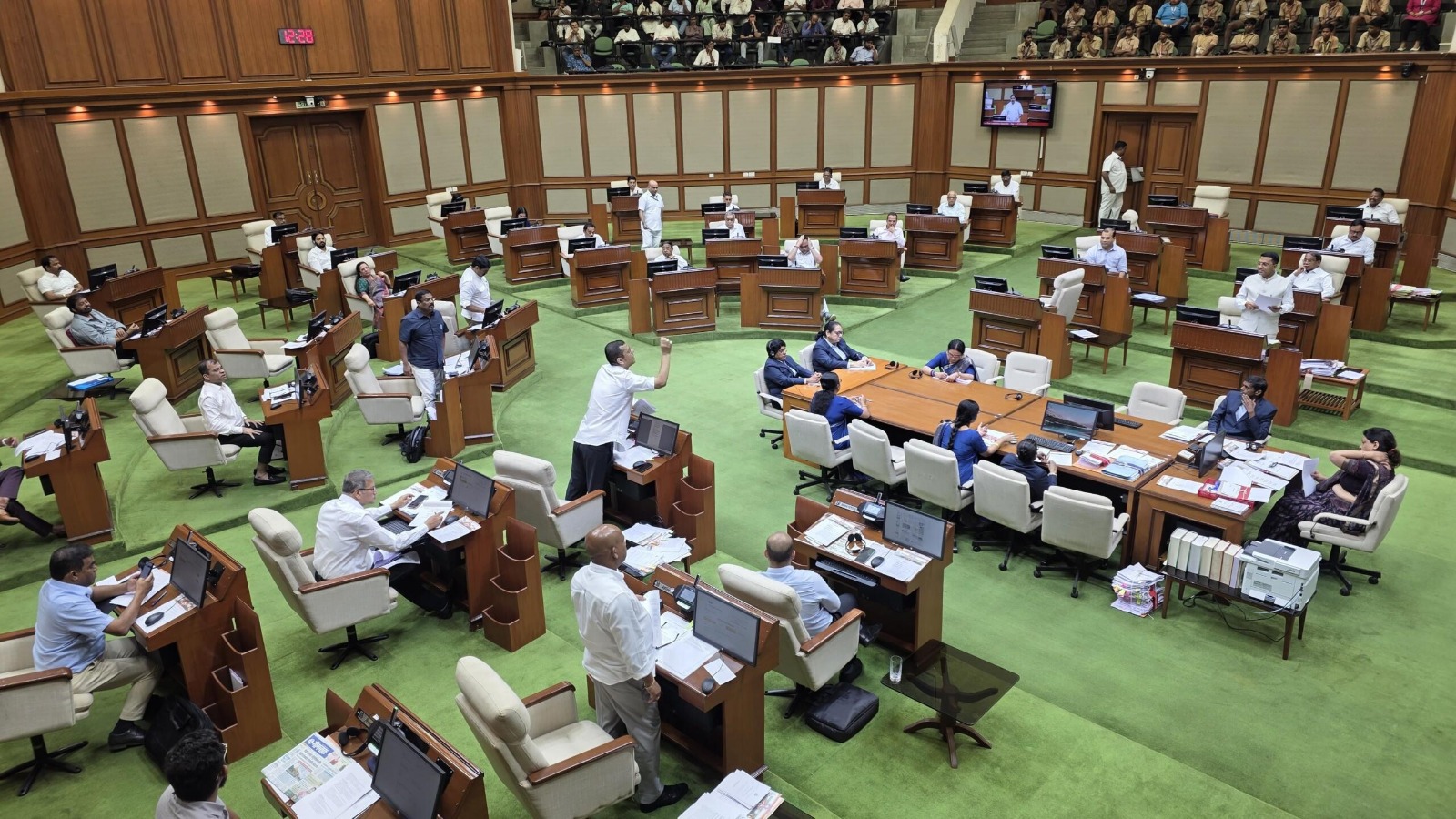
Panaji, January 14, 2026 The Goa government has introduced the Goa Jan Vishwas (Laws Amendment) Bill, 2026 in the State Assembly, aiming to decriminalise a range of minor offences and replace jail terms with monetary penalties. The move is intended to promote trust-based governance, reduce unnecessary litigation, and make living and doing business in the State easier. The Bill covers minor violations such as illegal construction, encroachments, misuse of land in waste management zones, dumping of waste, and obstruction of public spaces. Instead of criminal prosecution and imprisonment, offenders will now face financial penalties. Government sources said the initiative is in line with similar decriminalisation efforts undertaken by the Centre to improve administrative efficiency and allow authorities to focus on more serious crimes. Under the proposed law, amendments will be made to over a dozen State Acts, including those related to excise, waste management, fire services, land revenue, municipalities, panchayats, and public health. A key feature of the Bill is the replacement of imprisonment clauses with graded fines. For example, under the Goa Fire Force Act, offences earlier punishable with jail terms will now attract fixed or income-linked penalties. The Bill also introduces stricter financial deterrents in civic laws. Under the Goa Waste Management Act, heavy fines — running into several lakhs of rupees — are proposed for illegal construction or misuse of land in waste management areas, along with daily penalties for continued violations. Similarly, amendments to the Goa Municipalities Act seek to increase fines for encroachments, unauthorised construction, waste dumping, and obstruction of public spaces, with penalties going up to ₹50,000 or ₹1 lakh in some cases. To ensure penalties remain effective over time, the Bill proposes an automatic 10% increase in fines every three years. It also seeks to repeal the Goa Jan Vishwas (Laws Amendment) Ordinance, 2025, while safeguarding actions already taken under it. The Bill is expected to be taken up for detailed discussion in the Assembly at a later stage. Goa Shifts Focus from Jail to Fines, Tables Jan Vishwas Bill to Ease Civic Offences The Goa government has taken a significant step toward trust-based governance by tabling the Goa Jan Vishwas (Laws Amendment) Bill, 2026 in the State Assembly. The proposed law aims to decriminalise minor civic and administrative offences by replacing imprisonment provisions with monetary penalties, a move intended to simplify compliance and improve ease of living and doing business in the State. The Bill covers a wide range of minor violations, including illegal construction, encroachments, misuse of land in waste management zones, dumping of garbage, and obstruction of public spaces. Instead of facing criminal prosecution for such lapses, individuals and businesses will now be liable to pay fines. The government believes this approach will reduce litigation and allow enforcement agencies to focus their attention on serious and deliberate violations. To achieve this, the Bill proposes amendments to more than a dozen State laws related to excise, fire services, waste management, land revenue, municipalities, panchayats, public health, and civic administration. One of its key features is the systematic removal of jail terms from these laws and the introduction of graded financial penalties, ensuring accountability without criminalising procedural mistakes. The proposed legislation also strengthens deterrence by increasing fines for repeat and ongoing offences, with penalties in some municipal violations going up to ₹1 lakh. It further introduces an automatic 10 percent revision of fines every three years to account for inflation. By repealing the earlier Jan Vishwas Ordinance while protecting actions already taken under it, the government aims to create a more balanced, efficient, and citizen-friendly regulatory framework.