India-EU Trade Pact Set to Transform State Economies from Uttar Pradesh to Tamil Nadu
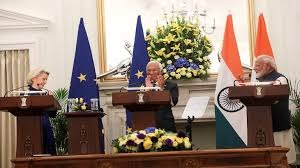
New Delhi | 27 January 2026 The India–European Union Free Trade Agreement (FTA) is expected to bring wide economic benefits across Indian states, boosting exports, jobs and local industries. Officials say Indian exports to the EU could rise by nearly ₹6.4 lakh crore as the deal removes tariffs and eases regulatory barriers across thousands of products. From farmers and artisans to MSMEs, manufacturers and professionals, the agreement opens new doors for growth at the state level. Under the pact, tariffs will be removed on 9,425 product lines, helping labour-intensive sectors like textiles, apparel, leather, gems and jewellery, handicrafts and agriculture products such as tea, spices and marine goods. At the same time, high-technology sectors including engineering goods, electronics, pharmaceuticals and medical devices are expected to expand their reach in European markets. This mix of traditional and modern industries makes the deal important for both rural and urban economies. Western and southern states are expected to see strong gains. Maharashtra’s textile, electronics, pharma and jewellery hubs in Ichalkaranji, Pune, Thane-Raigad and Mumbai will benefit as tariffs drop to zero. Gujarat’s industrial belt, including Surat, Bharuch, Vadodara, Rajkot and Veraval, is set to expand exports of textiles, chemicals, engineering goods and marine products. Tamil Nadu’s Tiruppur, Vellore-Ambur, Chennai and Coimbatore clusters gain from better access for apparel, leather, engineering and electronics, while Karnataka’s Bengaluru–Tumakuru region strengthens exports in engineering, electronics, pharma and apparel. Eastern, northern and northeastern states also stand to gain. West Bengal benefits through Darjeeling tea, seafood from Digha and Haldia, and traditional handicrafts. Assam sees new opportunities for tea, spices, bamboo products and niche pharma exports. Uttar Pradesh emerges as a major job creator with gains for leather footwear from Kanpur and Agra, handicrafts from Saharanpur, electronics from Noida and farm products from western UP. Punjab, Rajasthan, Kerala, Andhra Pradesh and Telangana also gain across garments, marine exports, jewellery, handicrafts, sports goods, pharmaceuticals and electronics. Overall, the India-EU FTA offers a state-wise growth path by linking local strengths with global markets, combining jobs, exports and long-term industrial India–EU Trade Deal Opens New Doors for States, Boosting Jobs, Exports and Local Industries The India–European Union Free Trade Agreement is expected to strengthen economic ties and create wide opportunities across Indian states. Officials say Indian exports to the EU could rise by ₹6.4 lakh crore, helping small businesses, farmers, manufacturers and skilled workers. By reducing tariffs and easing trade rules, the deal aims to make Indian products more competitive in European markets and support long-term growth. Labour-intensive sectors are likely to see the biggest gains. Textiles, garments, leather goods, gems and jewellery, handicrafts and farm products such as tea, spices and seafood will benefit from zero or lower duties. At the same time, high-value sectors like engineering goods, electronics, pharmaceuticals and medical devices are also expected to expand their reach in the EU, giving a strong push to modern manufacturing hubs. Different states stand to gain in their own ways. Maharashtra and Gujarat will see growth in textiles, chemicals, electronics, pharma, gems and jewellery. Tamil Nadu’s apparel, leather and engineering clusters are set to become more competitive, while West Bengal may benefit through tea, seafood and handicrafts. Assam and Kerala are expected to gain through tea, spices, marine products and artisan exports, directly supporting farmers and fishers. Northern and southern states will also feel the impact. Karnataka, Telangana and Andhra Pradesh are likely to see growth in electronics, pharma, apparel and seafood exports. Punjab’s MSME clusters, Rajasthan’s crafts and jewellery hubs, and Uttar Pradesh’s leather, furniture, electronics and agri-exports are expected to see higher demand. Overall, the India–EU trade deal offers a strong state-by-state growth path, linking local industries to global markets and creating new jobs across the country.