
Indian Railways Achieves 99.4% Electrification, Boosting Energy Security Amid West Asia Tensions
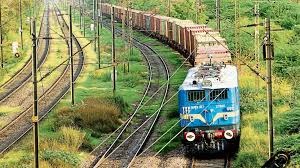
New Delhi | 6 March 2026 Indian Railways has reached a major milestone in its modernization journey, with 99.4 percent of its broad gauge network electrified as of January 2026. According to a report by Riding Sunbeams, a UK-based organisation working on railway electrification, this achievement comes at a crucial time when geopolitical tensions in West Asia are raising concerns about disruptions in global fuel supply chains. The development strengthens India’s energy security and reduces its dependence on diesel-based rail operations. The report noted that "Electrification of Indian Railways has led to cuts in diesel consumption by 178 crore litres in 2024-25, achieving a 62 per cent reduction since 2016-17." This significant decline in diesel use helps India lower its vulnerability to global oil price fluctuations. India depends heavily on international energy routes, including the Strait of Hormuz, through which nearly 40 percent of the country’s crude oil imports and more than 20 percent of its LNG supply pass. According to the note, India is now among the global leaders in railway electrification. It highlighted that "Very few countries have achieved fully electrified railways, and Indian Railways' network is thirteen times the size of the next largest, in Switzerland." The report also states that India is ahead of several major rail economies, including China and the United Kingdom, when it comes to the share of electrified rail networks. The organisation further explained that "Every sustained rise in global crude prices increases the country's annual import bill, placing pressure on inflation, public finances and household costs." By shifting railway operations from diesel to electricity, India has reduced its exposure to such global price shocks while also moving closer to its climate goals. Electric traction, where trains run using overhead electric lines instead of diesel engines, is around 70 percent more economical and offers long-term savings for the public sector. With more than 26 million passengers travelling daily, Indian Railways continues to play a critical role in the country’s mobility and economic activity. The railway network has also set an ambitious goal to become a net-zero carbon emitter by 2030, further aligning transport development with environmental sustainability and energy security. Indian Railways Achieves 99.4% Electrification, Boosting Energy Security Amid West Asia Tensions Indian Railways has achieved a major milestone, with 99.4 percent of its broad gauge network electrified as of January 2026. According to a report by Riding Sunbeams, the development comes at a time when geopolitical tensions in West Asia are creating uncertainty in global fuel supply chains, making the shift towards electricity an important step for India’s energy security. The report stated that "Electrification of Indian Railways has led to cuts in diesel consumption by 178 crore litres in 2024-25, achieving a 62 per cent reduction since 2016-17." This reduction is significant as India relies on the Strait of Hormuz for nearly 40 percent of its crude oil imports and more than 20 percent of its LNG supply. The note also highlighted India’s global leadership in railway electrification, saying "Very few countries have achieved fully electrified railways, and Indian Railways' network is thirteen times the size of the next largest, in Switzerland." The shift from diesel to electricity has also helped reduce operational costs and protect railway operations from sudden fossil fuel price shocks. With more than 26 million passengers travelling daily, Indian Railways remains a backbone of the country’s transport system. The electrification drive also supports India’s environmental commitments, with the railways aiming to become a net-zero carbon emitter by 2030.