
Hormuz Tensions Ease Slightly as Iran Allows Passage to ‘Friendly Nations’ Amid Global Energy Concerns
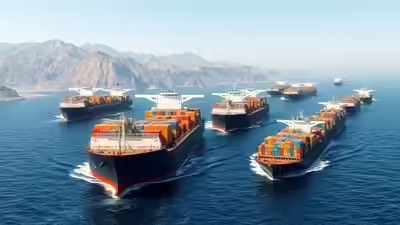
New Delhi | 26 March 2026 Amid rising tensions in West Asia, Iran has announced that it will allow ships from certain “friendly nations,” including India, to pass through the strategically vital Strait of Hormuz. The development comes at a time when fears of a global energy crisis are growing due to disruptions in one of the world’s most important oil transit routes. Iranian Foreign Minister Abbas Araghchi confirmed the move, stating that countries such as India, China, Russia, Pakistan, and Iraq would be permitted access under specific conditions. The Strait of Hormuz, which handles a significant portion of the world’s oil shipments, has become a central point in the ongoing conflict involving Iran and the United States. While Iran has not fully reopened the route for all vessels, it has clarified that only “non-hostile” ships that comply with its security guidelines and coordinate with its authorities will be allowed safe passage. This conditional access aims to maintain control while avoiding a complete blockade that could further destabilise global markets. The situation has raised serious concerns internationally, with oil prices already witnessing a surge and supply disruptions being reported in several regions. The United Nations has urged for an immediate resolution, warning that prolonged restrictions in the Strait could severely impact the movement of oil, gas, and fertilisers, especially during a critical global agricultural period. UN Secretary-General António Guterres emphasised the need to end the conflict to prevent further economic and humanitarian consequences. Meanwhile, Iran is also considering introducing a policy to charge transit fees for ships passing through the Strait, aiming to formalise its control and generate revenue. As diplomatic efforts continue, the global community remains watchful, hoping for de-escalation and stability in the region. The developments underline the fragile nature of global energy security and the importance of maintaining open and secure maritime routes. Hormuz Tensions Ease Slightly as Iran Allows Passage to ‘Friendly Nations’ Amid Global Energy Concerns Amid rising tensions in West Asia, Iran has announced that it will allow ships from certain “friendly nations,” including India, to pass through the strategically vital Strait of Hormuz. The development comes at a time when fears of a global energy crisis are growing due to disruptions in one of the world’s most important oil transit routes. Iranian Foreign Minister Abbas Araghchi confirmed the move, stating that countries such as India, China, Russia, Pakistan, and Iraq would be permitted access under specific conditions. The Strait of Hormuz, which handles a significant portion of the world’s oil shipments, has become a central point in the ongoing conflict involving Iran and the United States. While Iran has not fully reopened the route for all vessels, it has clarified that only “non-hostile” ships that comply with its security guidelines and coordinate with its authorities will be allowed safe passage. This conditional access aims to maintain control while avoiding a complete blockade that could further destabilise global markets. The situation has raised serious concerns internationally, with oil prices already witnessing a surge and supply disruptions being reported in several regions. The United Nations has urged for an immediate resolution, warning that prolonged restrictions in the Strait could severely impact the movement of oil, gas, and fertilisers, especially during a critical global agricultural period. UN Secretary-General António Guterres emphasised the need to end the conflict to prevent further economic and humanitarian consequences. Meanwhile, Iran is also considering introducing a policy to charge transit fees for ships passing through the Strait, aiming to formalise its control and generate revenue. As diplomatic efforts continue, the global community remains watchful, hoping for de-escalation and stability in the region. The developments underline the fragile nature of global energy security and the importance of maintaining open and secure maritime routes.