From Pahalgam to West Asia, BRICS Speaks on Global Crises
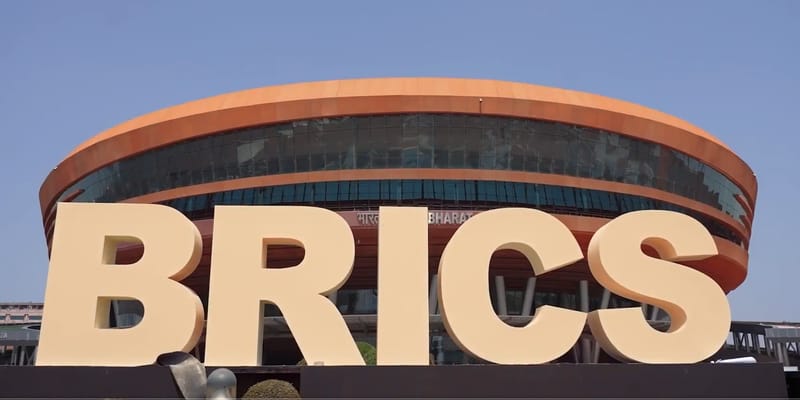
New Delhi, September 12, 2026 The BRICS summit on Saturday reached a key consensus with member countries adopting the New Delhi Declaration, putting terrorism, global security, trade and multilateral cooperation at the heart of their joint position. Prime Minister Narendra Modi, while opening the leaders’ meeting, said the grouping had “come of age” and that its unity and consensus must now be converted into concrete outcomes on the global stage. The declaration strongly condemned the April 22, 2025, terrorist attack in Jammu and Kashmir’s Pahalgam, in which 26 people were killed. BRICS members reaffirmed their commitment to combating terrorism in all its forms and manifestations, including the cross-border movement of terrorists, terrorism financing and safe havens. The grouping also stressed that terrorism should not be associated with any particular religion, nationality or community and called for collective efforts to hold terrorists and terrorist organisations accountable. It further called for the early adoption of the proposed UN Comprehensive Convention on International Terrorism. The BRICS declaration also took up the continuing tensions in the Middle East/West Asia, calling for maximum restraint and urging countries to avoid steps that could further escalate the situation. It stressed the protection of civilians and civilian infrastructure and encouraged dialogue and diplomacy to achieve lasting peace, security and stability. The members also expressed concern over increasing nuclear risks, opposed unilateral coercive measures contrary to international law and called for discussions on practical solutions for cross-border payments. On trade, the grouping raised concerns over unilateral tariffs and restrictions, saying such measures should be consistent with WTO rules. Prime Minister Modi proposed preparing a fresh agenda for the next 20 years of BRICS, along with a permanent mechanism to ensure implementation of decisions taken by the grouping. He also called for greater participation of the Global South in framing rules for emerging fields such as artificial intelligence, cyberspace, space and biotechnology. Among his other proposals were training young diplomats and policymakers in negotiations and international law and establishing an emergency network to assist sailors in distress with medical care, communication with their families and safe evacuation. Modi said, “If the future of the world is shared, then the right to decide it should also belong to all countries.” The adoption of the declaration came after days of negotiations among BRICS Sherpas to overcome differences over the wording on the West Asia conflict. Differences between Iran and the UAE had emerged as a major challenge to consensus at ministerial meetings ahead of the summit. India maintained engagement with both sides, with Modi holding bilateral talks with Iranian President Masoud Pezeshkian on Friday and meeting Abu Dhabi Crown Prince Khaled bin Mohamed bin Zayed Al Nahyan on Saturday. Meanwhile, Chinese President Xi Jinping arrived in India after seven years to attend the BRICS summit, with his bilateral engagement with Modi adding further significance to the gathering. Despite differing national positions, the final declaration reflects the bloc’s effort to present a common position on major global issues.