Trump Gets New Tariff Weapon: India’s Russian Oil Purchases in Focus
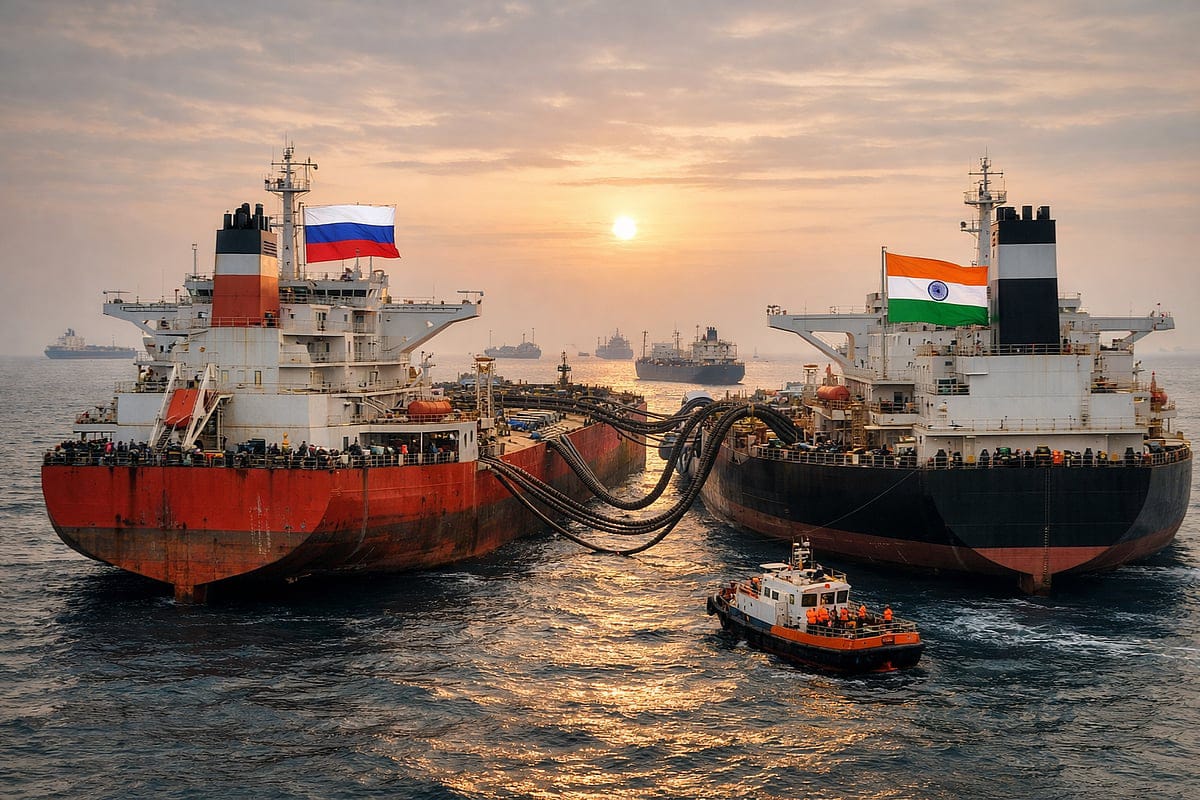
New Delhi, September 17, 2026 A new US law has given President Donald Trump the authority to impose tariffs of up to 100% on countries that continue to purchase Russian crude oil in large volumes, putting major buyers such as India and China under renewed scrutiny. The move could have implications for India’s exports to the US as well as its strategy for securing crude supplies amid the ongoing Middle East conflict. The US House of Representatives on Wednesday approved the “Lindsey O. Graham Sanctioning Russia and Iran Act of 2026” by 262 votes to 159. The legislation will now go to President Donald Trump for his signature. It seeks to put further pressure on Russia’s energy and defence sectors and target its “shadow fleet” of tankers allegedly used to bypass existing sanctions. The measure also expands sanctions against Iran. When the bill was initially introduced more than a year and a half ago, it proposed tariffs of up to 500% on major buyers of Russian crude. The maximum proposed tariff was later reduced to 100%. The legislation had already passed the US Senate last month with an 86-11 vote, securing strong bipartisan support. India’s position has changed significantly since the Russia-Ukraine war began. In 2022, Russian crude made up only a negligible portion of India’s oil imports. However, after European sanctions restricted purchases of Russian oil, Moscow offered crude at deep discounts, making it increasingly attractive to Indian refiners. Russia has since become India’s largest crude oil supplier. The new US tariff authority therefore creates a potential pressure point for New Delhi, particularly if Washington decides to use the maximum tariff against major Russian oil buyers. For India, the issue extends beyond trade. A tariff of up to 100% could affect Indian exports to the US while any disruption to Russian oil purchases could complicate the country’s energy-security calculations. With uncertainty already surrounding global energy markets because of the Middle East conflict, India will be watching Washington’s next move closely.