
India Digitizes Highways to Make Travel Smarter and Safer
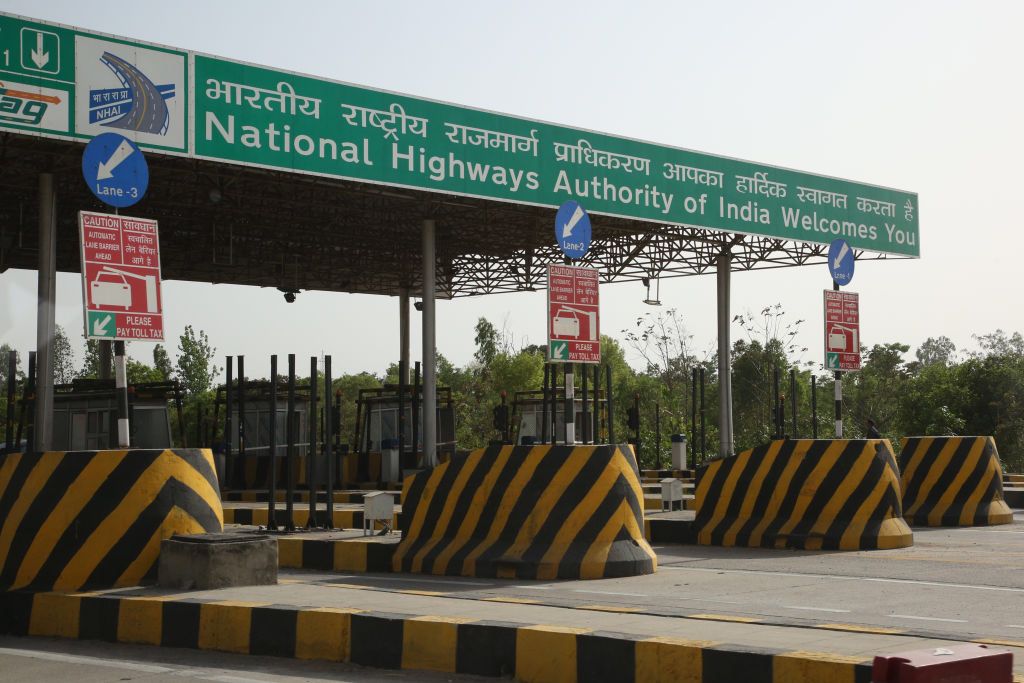
New Delhi | November 11, 2025 India is transforming its highways into intelligent, data-driven corridors that combine technology, safety, and efficiency. The Ministry of Road Transport and Highways (MoRTH) is leading this effort to turn the nation’s road network into a smart, connected system that goes beyond traditional asphalt. The country’s roads now span over 63 lakh kilometres, making it the second-largest network in the world. The National Highway network alone has grown 60% in the last decade, reaching 1,46,204 km by 2025. With such expansion, managing traffic, tolls, and maintenance efficiently has become crucial. Digital tools now help monitor and control every stage of highway operations—from planning to toll collection and upkeep. Electronic tolling has become standard, with the FASTag RFID system enabling cashless travel at toll plazas. About 98% of users now rely on FASTag, and the recent introduction of the annual pass has already seen 25 lakh sign-ups, completing over 5 crore transactions. India’s first Multi-Lane Free Flow system in Gujarat allows vehicles to pass tolls without slowing down, saving time and fuel. Smart apps like Rajmargyatra provide live updates on routes, tolls, fuel stations, hospitals, charging points, and weather alerts. Users can report issues with geo-tagged photos, helping authorities maintain highways better. Similarly, NHAI One integrates project monitoring, maintenance, and audits, ensuring transparency and faster approvals. The PM Gati Shakti National Master Plan (NMP) digitizes highway planning, hosting over 550 layers of live data, including logistics and environmental zones. Intelligent Transport Systems and Advanced Traffic Management Systems are improving road safety, reducing accidents on busy corridors like Delhi–Meerut and Bengaluru–Mysuru expressways. Sustainability is also a key focus. The Green Highways Mission has planted over 4.69 crore trees since 2015, while Mission Amrit Sarovar has developed 467 water bodies. Over 631 lakh metric tonnes of recycled materials, including fly ash and plastic waste, were used in highway construction in 2023–24. By combining technology, sustainability, and real-time monitoring, India is building highways that are safer, smarter, and more efficient—roads that think, communicate, and support the nation’s growing mobility needs. India Digitizes Highways to Make Travel Smarter and Safer India is turning its highways into intelligent, connected corridors that use technology to make travel easier and safer. The Ministry of Road Transport and Highways (MoRTH) is leading this transformation, combining real-time monitoring, digital tolling, and smart traffic management across the country. The National Highway network has grown to over 1.46 lakh km, part of India’s 63 lakh km road system. To manage this vast network, digital tools now track planning, construction, maintenance, and toll collection efficiently. FASTag, an RFID-based system, allows cashless toll payments, and over 98% of users rely on it. The new Multi-Lane Free Flow system lets vehicles pass tolls without stopping, saving time, fuel, and reducing emissions. Apps like Rajmargyatra provide live updates on routes, tolls, fuel stations, hospitals, and charging points, while NHAI One integrates project monitoring, audits, and maintenance for better coordination. Intelligent Transport Systems and Advanced Traffic Management have improved safety on busy expressways like Delhi–Meerut and Bengaluru–Mysuru, reducing accidents. Sustainability is also key. Over 4.69 crore trees have been planted under the Green Highways Mission, and 467 water bodies developed through Mission Amrit Sarovar. Recycled materials such as fly ash and plastic waste are increasingly used in construction, making highways eco-friendly. India’s highways are now smarter, greener, and safer—built for the future of mobility.