PM Surya Ghar Scheme Brings Zero Power Bills to Over 7.7 Lakh Indian Homes Through Rooftop Solar Push
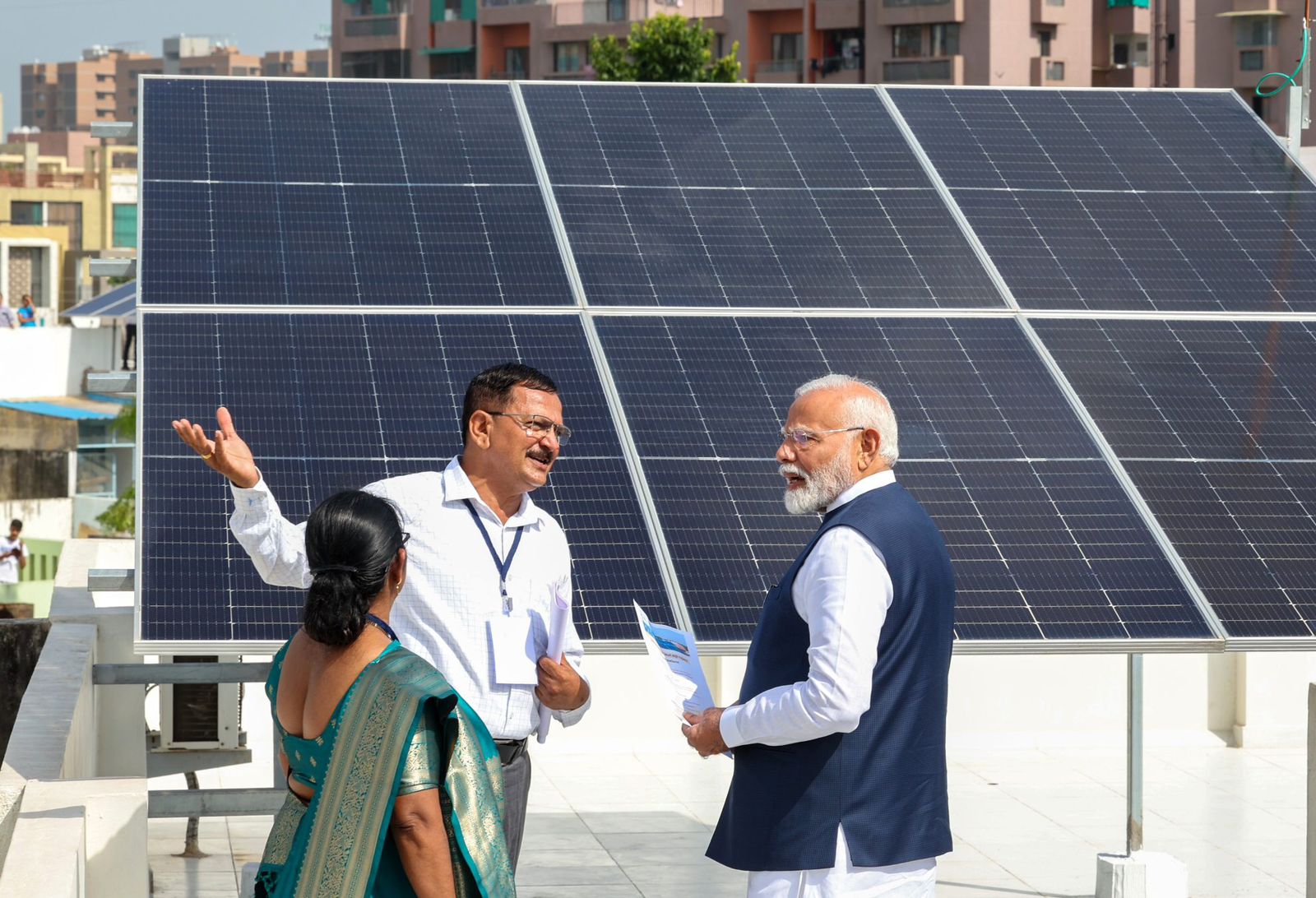
New Delhi | December 16, 2024 India’s push towards clean and affordable energy is showing visible results as the PM Surya Ghar Muft Bijli Yojana continues to reduce electricity expenses for households across the country. According to the Ministry of New and Renewable Energy, more than 7.7 lakh families are now receiving zero electricity bills after installing rooftop solar systems under the scheme. Launched in February 2024, the PM Surya Ghar Muft Bijli Yojana was introduced with the aim of making renewable energy accessible to ordinary citizens while easing the financial burden of rising power costs. The scheme focuses on residential rooftop solar installations and is a key step in promoting energy self-reliance at the household level. The latest progress update was shared in a written reply in the Rajya Sabha by Union Minister of State for New and Renewable Energy, Shripad Yesso Naik. As of December 9, a total of 19,45,758 rooftop solar systems have been installed across the country. These installations have benefitted 24,35,196 households, indicating that several systems are serving more than one family, especially in shared residential settings. Out of these beneficiaries, over 7.7 lakh households have reported electricity bills of zero, reflecting the scheme’s success in offsetting conventional power consumption through solar energy. The government views this as a major milestone in India’s transition towards cleaner and more sustainable energy sources. The PM Surya Ghar Muft Bijli Yojana aims to install rooftop solar systems in one crore households in the residential sector by the financial year 2026–27. The total financial outlay for the scheme stands at Rs 75,021 crore. Through this initiative, the government hopes to lower household electricity costs, reduce dependence on fossil fuels, and support India’s broader climate and energy goals. State-wise data shows that Gujarat has emerged as the leading performer under the scheme. The state has recorded over 4.93 lakh rooftop solar installations, benefitting more than 7.10 lakh households. Notably, more than 3.62 lakh consumers in Gujarat are now receiving zero electricity bills, making it a standout example of large-scale rooftop solar adoption. Other states such as Andhra Pradesh, Assam, and Haryana have also shown steady progress. Thousands of households in these states have installed rooftop solar systems and are seeing noticeable reductions in their electricity bills. The government expects participation from more states to increase as awareness and accessibility improve. To make rooftop solar installations financially viable for households, the government is offering Central Financial Assistance under the scheme. In addition, beneficiaries can avail collateral-free loans at a concessional interest rate of 5.75 per cent. This financial support is intended to reduce the upfront cost of installation, which has often been a barrier for middle- and lower-income families. Special efforts are also being made to expand the reach of the scheme among rural households and economically weaker sections. The government has issued guidelines for installing rooftop solar systems under Utility-Led Aggregation and Renewable Energy Service Company (RESCO) models. These models help reduce both financial and operational challenges by allowing utilities or service providers to manage installation and maintenance, making the transition easier for beneficiaries. Officials believe that the PM Surya Ghar Muft Bijli Yojana is not just about cutting electricity bills but also about empowering citizens to become energy producers. By generating their own electricity, households contribute to a cleaner environment while gaining long-term financial savings. As installations continue to rise, the scheme is expected to play a crucial role in reshaping India’s residential power landscape, bringing the country closer to its renewable energy targets and making clean energy a part of everyday life for millions of families. PM Surya Ghar Scheme Brings Zero Power Bills to Over 7.7 Lakh Indian Homes Through Rooftop Solar Push India’s journey towards clean and affordable energy is picking up speed, and the PM Surya Ghar Muft Bijli Yojana is proof of that progress. Launched in February 2024, the scheme is helping households across the country reduce their electricity costs by switching to rooftop solar power. According to the Ministry of New and Renewable Energy, more than 7.7 lakh households are now receiving zero electricity bills after installing rooftop solar systems under the scheme. This marks a major step towards making renewable energy a part of everyday life. As shared in the Rajya Sabha, a total of 19.45 lakh rooftop solar systems have been installed across India as of December 9. These installations have benefitted over 24.35 lakh households, many of which are now producing enough solar power to meet their daily needs. Gujarat has emerged as the top-performing state under the PM Surya Ghar scheme. The state alone has seen over 4.93 lakh rooftop solar installations, benefiting more than 7.10 lakh households. Notably, over 3.62 lakh consumers in Gujarat are already enjoying zero electricity bills. Other states like Andhra Pradesh, Assam, and Haryana are also showing steady growth, with thousands of homes adopting rooftop solar and seeing lower power bills. To make solar energy more accessible, the government is offering Central Financial Assistance along with collateral-free loans at a concessional interest rate of 5.75 per cent. These measures help reduce the upfront cost of installation and encourage wider participation, especially among rural households and economically weaker sections. The PM Surya Ghar Muft Bijli Yojana aims to cover one crore households by 2026–27 with a total outlay of Rs 75,021 crore. Beyond savings, the scheme promotes energy self-reliance and supports India’s clean energy transition. Solar power is no longer a distant idea—it’s lighting up homes, lowering bills, and shaping a greener future.